Tree Trimming & Pruning · Sterling Heights

Tree Trimming and Pruning for Sterling Heights, MI Property Owners

We shape, thin, and clear your trees the right way, and one call gets a crew on the schedule fast.

Free Quote

Free Tree Trimming & Pruning quote.

We reply within 1 business hour. No spam, ever.

Arborist safely climbs massive residential shade tree
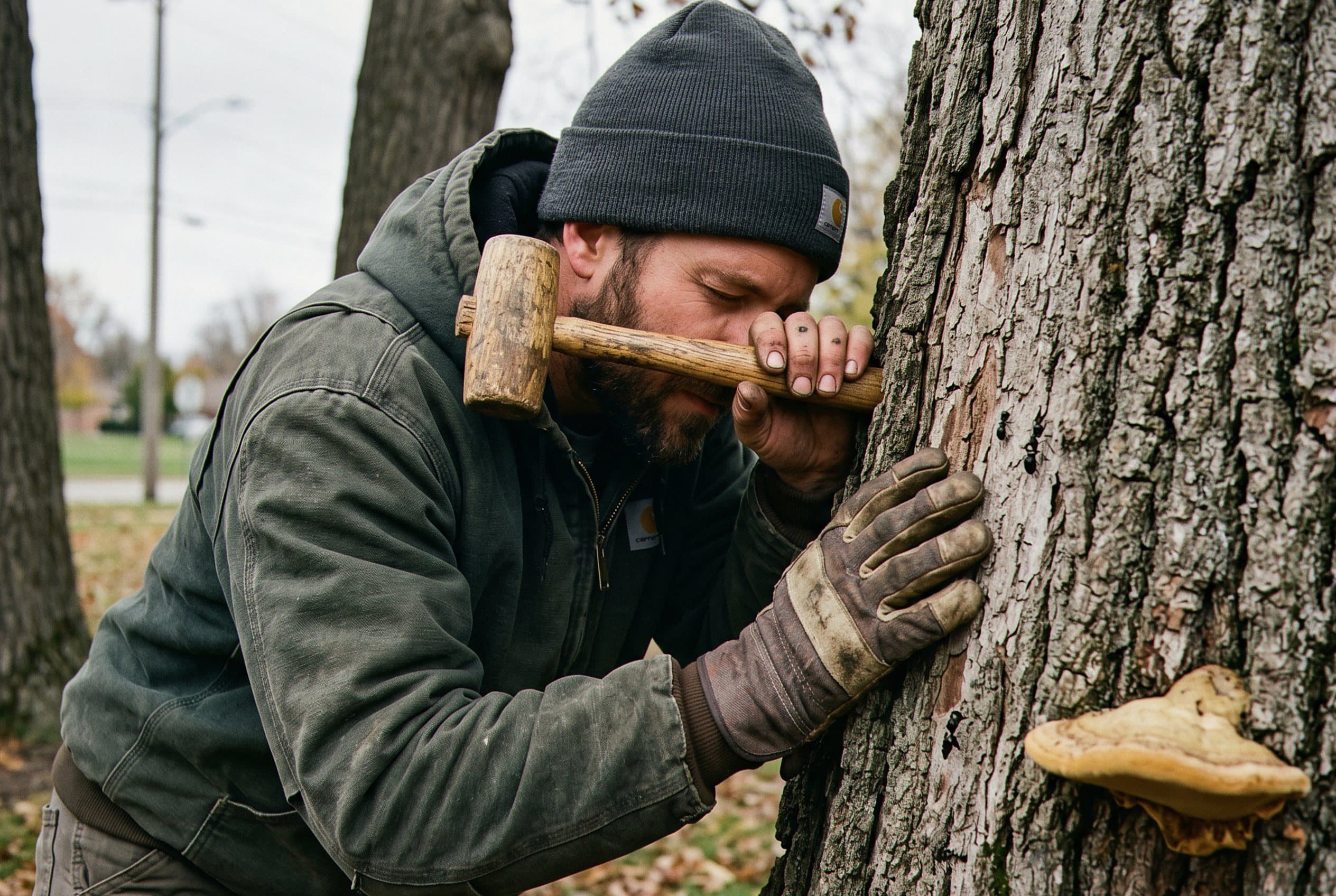
Arborist with climbing gear assesses dense canopy
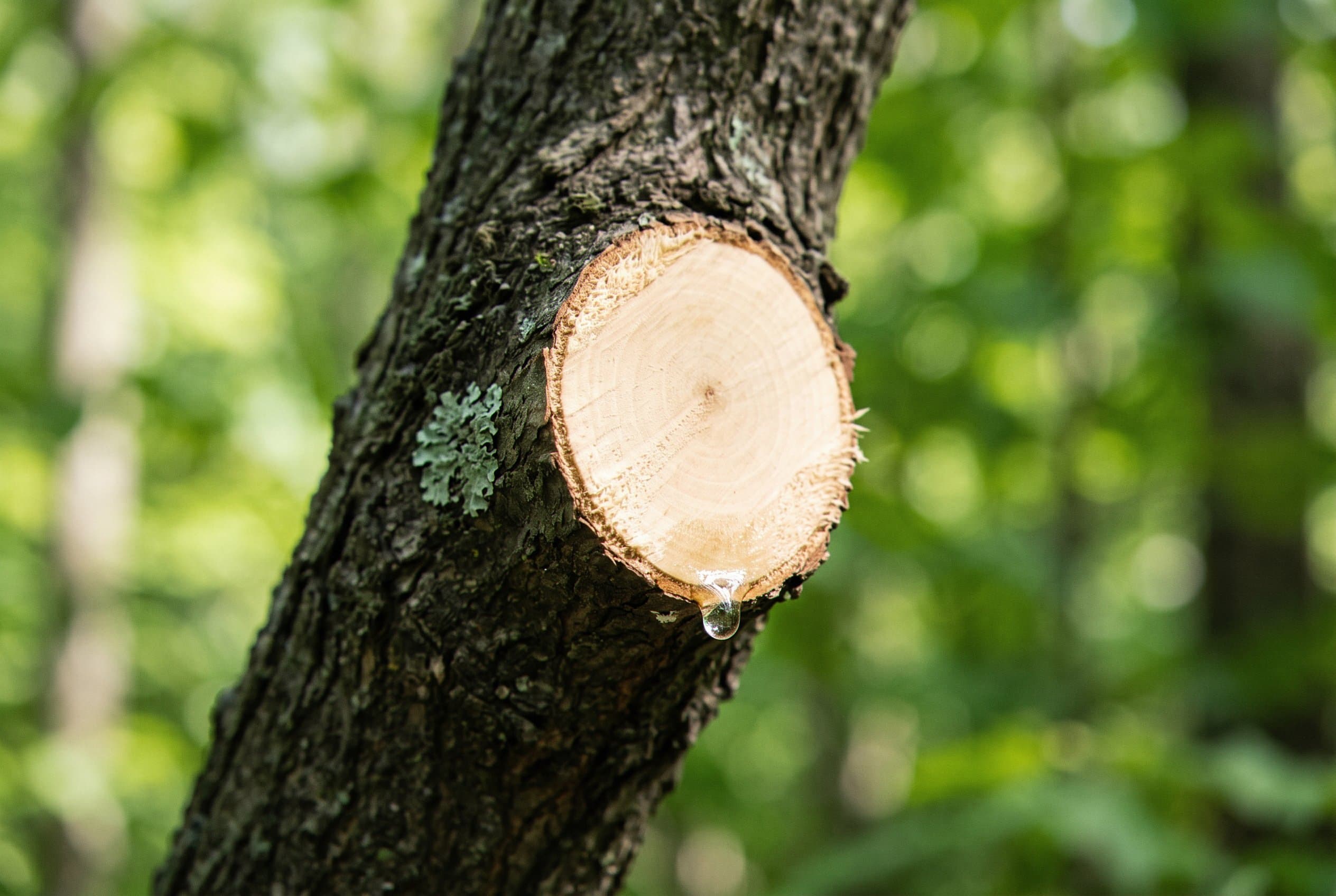
Close-up of clean pruning cut on thick branch
What we install

Healthier Trees and a Safer Yard, Pruned Right

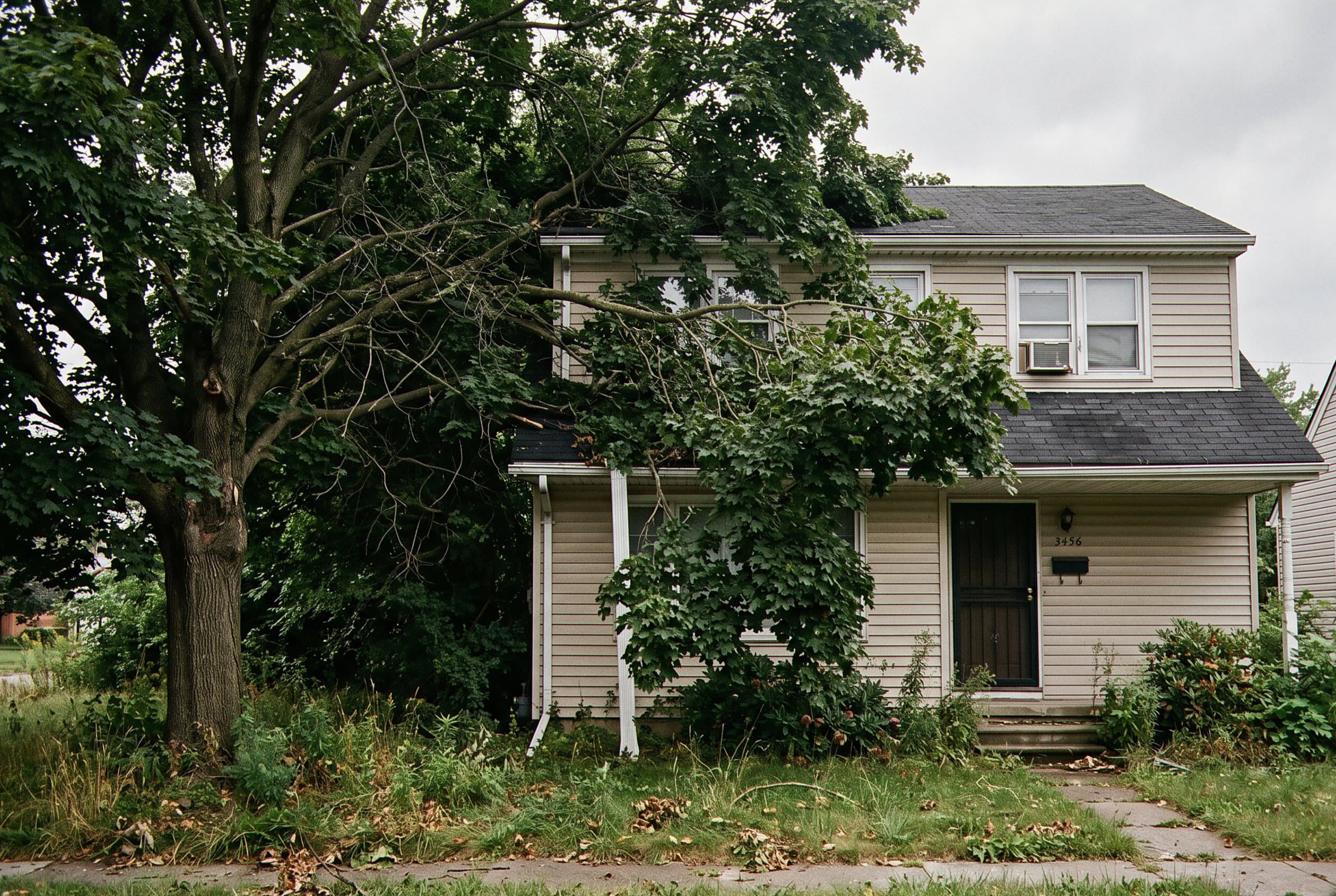
Overgrown limbs do more than block the view. They rub against the roof, hang over the driveway, and snap in a hard Sterling Heights storm. When a branch grows toward the power line or leans across the walkway, the risk climbs every season you wait. We prune to fix that before it becomes an emergency, and when a tree is too far gone to save, our tree removal crew steps in. Good trimming keeps the canopy open, the structure sound, and the yard easy to enjoy.

Every job starts with a walk around the tree. We read the canopy, find the dead wood, and mark the limbs that crowd or cross. Then we make clean cuts at the branch collar, the way the tree heals best, and we never top a tree or leave torn stubs behind. We thin for light and air, raise low limbs for clearance, and shape the crown so it carries weight evenly. By the time we pack up, the brush is hauled, the lawn is raked, and the tree looks like we were barely there.

  • Clean cuts at the branch collar so each tree heals fast and strong
  • Dead and weak limbs gone before the next Sterling Heights windstorm hits
  • Open canopy that lets in light and moves air through the crown
  • Branches cleared off the roof, gutters, siding, and the power line
  • Full cleanup, with brush hauled and the lawn raked before we leave
Pruned the right way, a tree stands stronger, looks better, and keeps your family far safer through every season.

We work in Sterling Heights and across Macomb County every week, so we know the maples, oaks, and pears that fill these yards. We know how they take the wind off Lake St. Clair and how they crack under a heavy March ice load. When you call, you reach our crew, not a desk three states away, and we answer plainly about what your tree needs and when we can get there. We show up when we say, prune what we agreed to, and leave the yard clean. That is the whole job, done right.

If a limb is hanging low, scraping the house, or just making you nervous, let us take a look. One call puts our crew on your schedule and gets you a clear plan for the tree. Reach out today and we will handle the rest.
Materials

The Cuts and Tools Behind a Clean Prune

Pruning is less about gear and more about judgment. The same saw can heal a tree or wound it, and the difference is where the cut lands. We cut just outside the branch collar, the raised ring where a limb meets the trunk, because that is where a tree seals itself off and grows over the wound. Cut too flush and you open the trunk to rot. Leave a long stub and it dies back, invites bugs, and never closes.

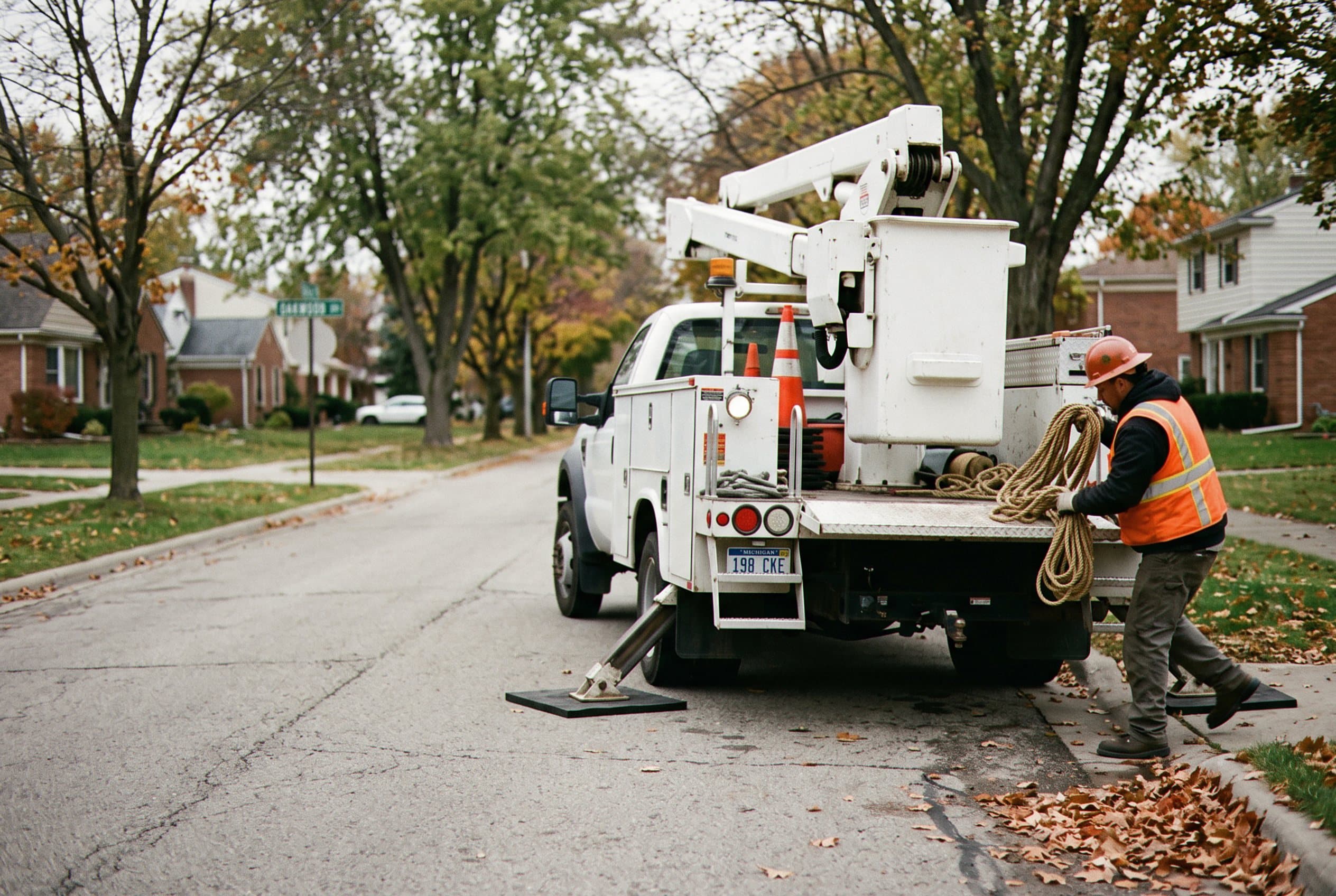
Our crew carries hand saws, pole pruners, and rope for the high work, plus a chipper for the brush. For tall or risky limbs we climb with a saddle and lines rather than spiking the bark, since spikes wound a tree we mean to keep. We sharpen and clean the blades between yards so we do not carry disease from one tree to the next. The tool matters, but the hand on it matters more, and ours have pruned a lot of Sterling Heights trees.

  • Cuts placed at the branch collar, never flush and never stubbed
  • Climbing lines and saddles, not spikes, on any tree we keep
  • Blades cleaned between yards so disease never travels
  • Brush chipped and hauled, never left piled at the curb
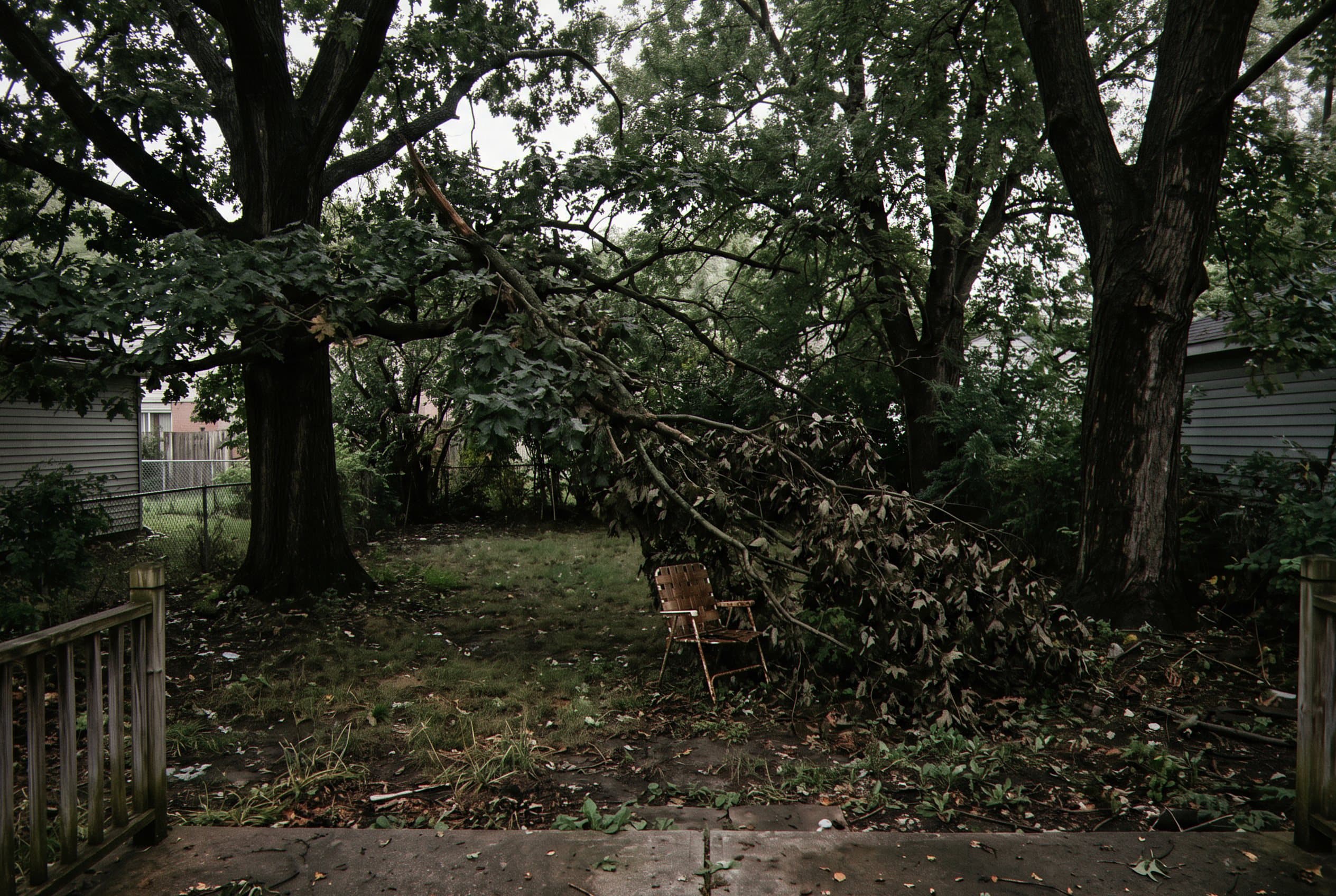
Overgrown canopy blocks sunlight to yard
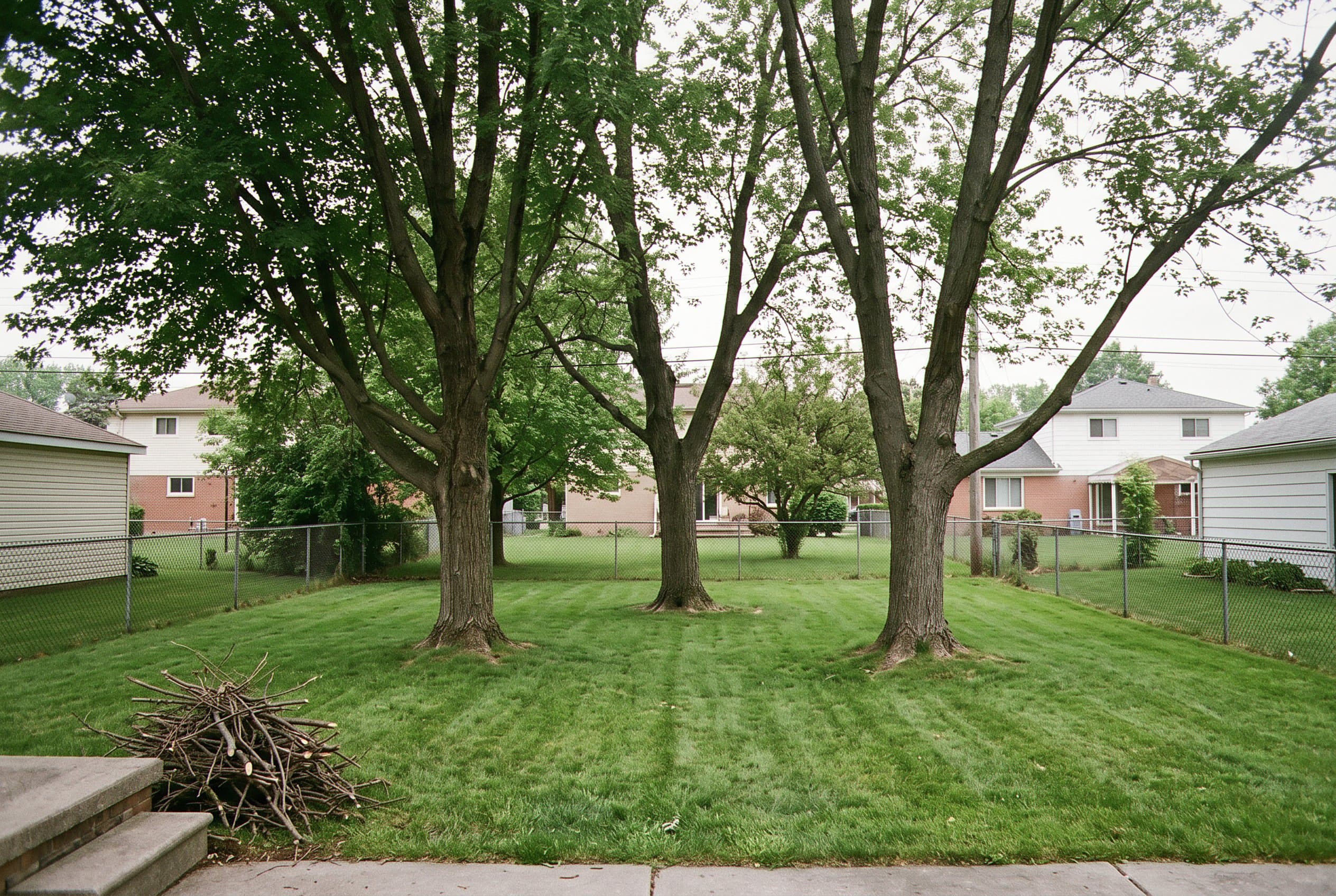
Open canopy allows light and air circulation
What about the alternatives?

Trimming Options, and What We Would Pick

There is more than one way to deal with a heavy tree, and not all of them are kind to it. Here is how the common choices stack up.

Regular structural pruning

Light, well placed cuts every few years keep a tree strong and shapely. This is what we recommend for almost every healthy tree.

Recommended

Crown thinning for light and air

Selective removal of inner limbs opens the canopy without changing its shape. Great for dense trees that shade the house too much.

Recommended

Crown raising for clearance

Lifting the lowest limbs clears the driveway, walk, and roofline. A solid fix when branches hang into the way.

Acceptable

Heavy crown reduction

Shortening big limbs can lower risk on a leaning tree, but overdone it stresses the canopy. We use it carefully and only when needed.

Acceptable

Topping the whole tree

Cutting the crown back to stubs looks fast and cheap, then triggers weak regrowth and decay. We will not do it.

Skip

Letting it go untouched

Skipping pruning for years lets dead wood build and limbs grow over the house. Small problems turn into emergency calls.

Skip
How it goes

From quote to walk-on, fast.

01

Your inquiry

Call or send the short form with what is going on at your place. A sentence or two is plenty for the first step.

02

We talk it through

We go over the situation on the phone, ask the questions that matter, and tell you what we would do next.

03

A clear plan

You get a plain-language rundown of the work, the order it happens in, and what to expect on the day.

04

The work gets done

Our crew shows up when we said, does the job, and walks you through the result before leaving.

Before you book

Straight Answers Before You Book

A few things come up on almost every call, so here is where we stand on them.

Is winter a bad time to trim my trees?
Not at all. For most shade trees, the cold months are the best window, since the leaves are down, the structure shows clearly, and pests and disease are dormant. We prune through the Sterling Heights winter all the time.
Will trimming hurt or stress the tree?
A good prune helps a tree, it does not harm it. We never take more than a healthy share of the canopy at once, and every cut is placed where the tree can seal it. Done right, the tree comes out stronger and safer.
Can you get a branch off my roof or near the wires?
Yes. Limbs over the roof, gutters, and service line are a big part of what we clear. We rope and lower the heavy pieces so nothing drops on the house or the yard below.
How fast can a crew get to my Sterling Heights yard?
Usually within a few days for routine work, and sooner when a limb is cracked or hanging. Call us, tell us what you are seeing, and we will give you a real day, not a vague maybe.
Do you clean up all the brush and mess?
Always. We chip the brush, rake the lawn, and blow off the drive before we go. You should come home to a tidy yard and a better looking tree, not a pile at the curb.
What if the tree is too far gone to save?
We will tell you straight. If pruning cannot make it safe, we say so, and our crew can take the tree down instead of selling you a trim that only delays the problem.
Aftercare

Keeping Your Trees Healthy Between Visits

Pruning is not a once and done thing. Trees grow, storms hit, and what looked balanced last spring can crowd the roof by the next. A little attention between our visits keeps small issues from turning into big ones, and most of it you can do yourself with a walk around the yard and a careful eye. Here is what we tell our Sterling Heights customers to watch for.

  • Walk the yard after every big storm and look for cracked or hanging limbs
  • Watch for dead branches with no leaves while the rest of the tree fills in
  • Keep an eye on limbs creeping toward the roof, gutters, or power line
  • Notice mushrooms at the base or soft, peeling bark on the trunk
  • Give new trees water through dry Michigan summers so roots settle deep
  • Call us when something looks off, before a weak limb finds your car
Dense tree crown fills entire view above
FAQ

Tree Trimming Questions Sterling Heights Owners Ask

Ready when you are

Let's make your next steps easier

Tell us what is going on at your Sterling Heights home and we will walk you through the options. One call or one short form is all it takes.

Call (586) 788-1618Make your inquiry
CallContact us